
Built to Endure: Wisdom from Ancestral Workshops

Today we explore Old-World Craft Techniques That Deliver Generational Durability, celebrating methods refined by countless hands, seasons, and patient experiments. From timber seasoned in attic rafters to oils rubbed in over years, these practices prioritize repairability, stable materials, and thoughtful design. Expect stories, practical insights, and time-honored routines you can start today. Share your heirloom tales, ask questions, and join a conversation dedicated to making objects that outlast us with grace, usefulness, and soul.

Mindset of Makers Who Build for Centuries

Before tools touch the work, enduring objects begin with a way of thinking that values patience, observation, and responsibility to future caretakers. Makers align designs with material behavior, anticipate strain and movement, and choose assembly methods that invite maintenance rather than resist it. An old cabinetmaker once told his apprentice, “If it cannot be repaired, it wasn’t finished,” reminding us that longevity is planned at the drawing board, tested at the bench, and proven across generations of everyday use.

Heartwood, Quarter-Sawn Boards, and Movement

Quarter-sawn boards tame wood’s predictable movement, making shelves straighter and tabletops remarkably stable. Heartwood often resists decay better than sapwood, especially in species like white oak or teak. Old shops stored boards vertically with stickers, tracking moisture with touch and weight long before meters. Such habits avoid internal stress and surfacing surprises. Match species to use: elm for seats, ash for handles, oak for structure. Understanding cellular anatomy transforms raw boards into faithful companions that weather decades gracefully.

Vegetable-Tanned Leather That Heals with Use

Full-grain, vegetable-tanned leather ages into a protective second skin. It accepts oil, resists cracking, and can be re-stitched or patched without hidden failures. Chrome-tanned options have their place, but classic veg-tan invites maintenance rituals—conditioning, brushing, drying slowly away from heat. Belts, sheaths, and satchels shaped this way conform to the owner and even tighten stitches with years of motion. Keep notes on tanning origin and thickness, then treat edges burnished and dyed for a lifetime of loyal service.

Steels and Fibers That Keep Working

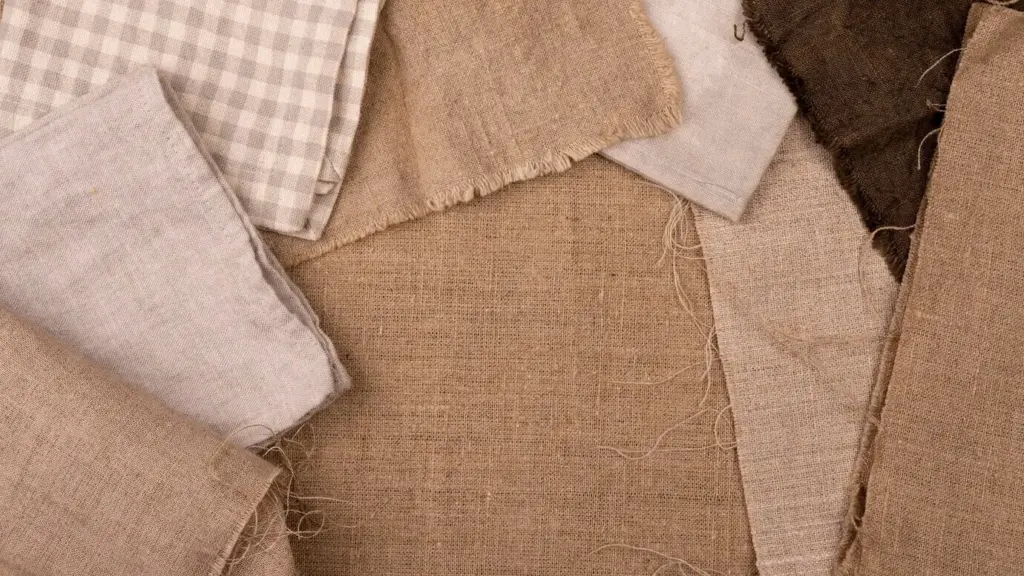
Enduring edges come from well-chosen steels and thoughtful heat treatment. High-carbon blades sharpen keenly and strop beautifully, inviting frequent care. For bindings, linen threads and hemp cord offer long fibers that resist abrasion and moisture better than many synthetics. Balanced selections prevent brittle chips or mushy folds. Store tools oiled lightly, and spool fibers protected from sunlight. Materials that accept renewal—resharpening, re-lubrication, re-stitching—support a cycle where small, routine touch-ups replace catastrophic failures and preserve generational usefulness.

Joinery and Binding That Refuses to Quit

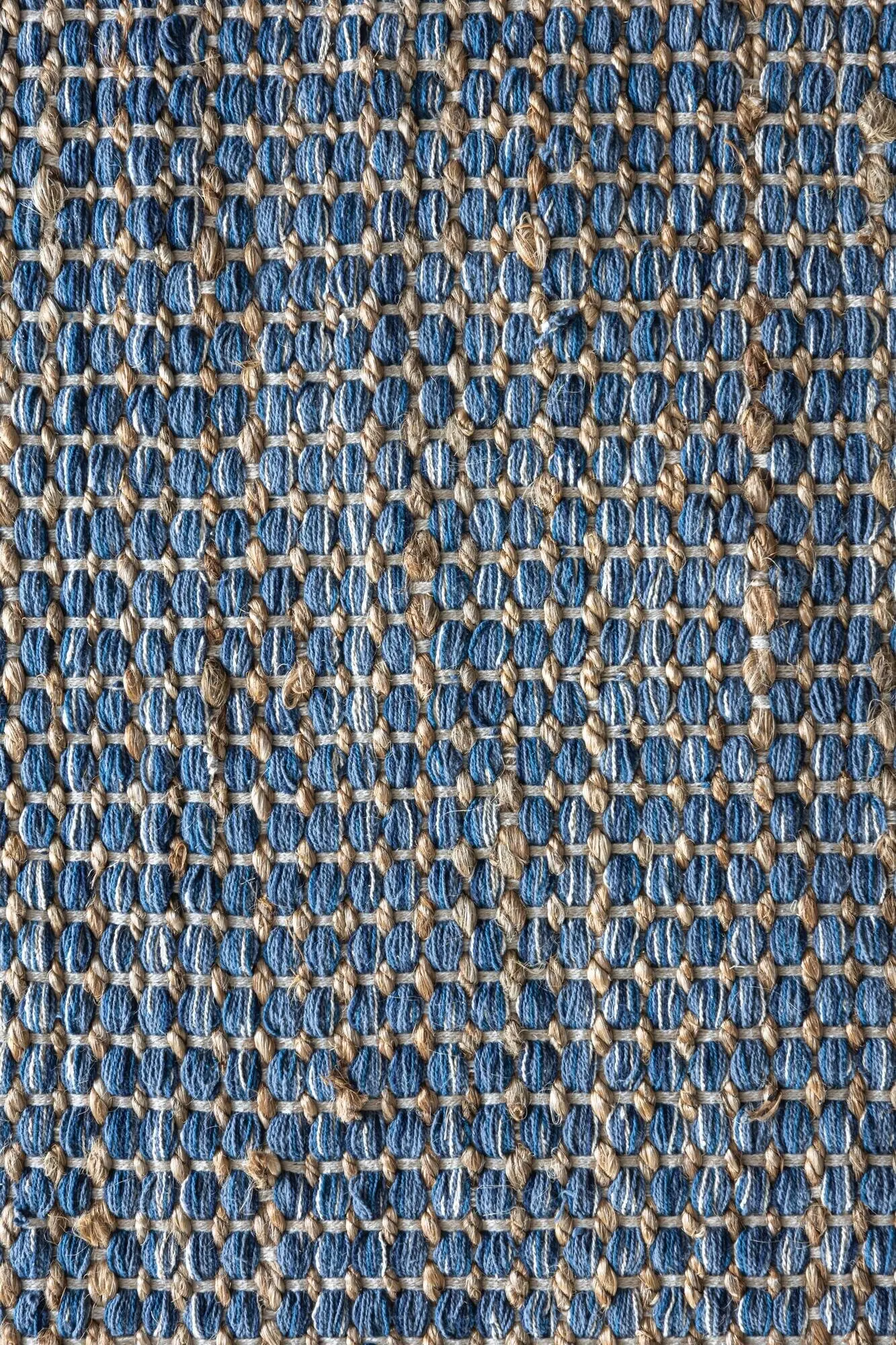
Time-tested joints secure parts mechanically before adhesives even enter the story. Wedges, shoulders, and interlocking shapes distribute forces evenly, relieve stress at edges, and create natural checks against loosening. In wood, drawbored tenons self-lock during seasonal shifts; in textiles, balanced weaves spread tension away from weak points. Across cultures, you see the same logic: geometry first, then reinforcement. Build this way, and your projects survive humidity swings, knocks, and daily wear with quiet confidence and dignified strength.

Finishes, Oils, and Cures That Grow More Beautiful
Raw and Polymerized Linseed Oil Routines

Applied thin, allowed to cure fully, and refreshed seasonally, linseed oil builds depth without smothering the wood. Polymerized versions speed drying and reduce stickiness, ideal for busy shops. Wipe on warmly, wait patiently, then burnish with a clean cloth. Over time, pores fill, color deepens, and maintenance becomes effortless. Document coats and intervals so future caretakers understand the rhythm. Avoid heavy floods; multiple whisper-thin passes outlast thick layers and leave wood feeling alive beneath your fingertips.

Shellac and the Grace of French Polishing

Dissolved flakes in alcohol create a reversible, food-safe finish that repairs elegantly. French polishing layers micro-thin applications with a pad, building a glow that reflects light softly. Its biggest strength is serviceability: alcohol reactivates layers for seamless touch-ups. Because shellac breathes, it avoids the trapped moisture that causes cloudy failures. Paired with careful dust control and patience, it transforms instruments, boxes, and furniture into luminous companions. Keep notes on cut strength, pad charge, and curing time for predictable, excellent results.

Wax, Burnishing, and Sun-Curing Subtleties

Beeswax with a little solvent and oil yields a forgiving topcoat that buffs to a restrained sheen. Heat from friction merges layers, and gentle sun-curing can harden surfaces naturally. On leather and wood, wax adds tactile warmth while resisting grime. Applied sparingly after oil or shellac, it encourages a maintenance habit: quick seasonal touch-ups instead of dramatic restorations. Embrace small rituals—clean cloths, soft brushes, careful storage—and finishes become friendships, renewing easily and aging with confident, understated beauty.

Stewardship: The Art of Care and Repair

Longevity lives in the quiet habits between grand builds. Simple routines—sharpening edges, wiping surfaces, tightening pegs, conditioning leather—turn minor wear into enduring character. Repair should be honest, traceable, and respectful, revealing a history of care rather than hiding it. Think of kintsugi’s golden seams or a well-fit Dutchman patch: evidence of love, not failure. Share your favorite fixes in the comments, ask for guidance, and help shape a community that celebrates stewardship as a creative practice.

Sharpening, Stropping, and Edge Integrity

Sharp edges are gentler on materials and safer for hands, preserving surfaces and avoiding bruised fibers that lead to early failure. Build a repeatable routine: stones of progressive grits, light pressure, and frequent stropping that maintains keen lines with minimal metal loss. Label angles, keep logs, and refresh before dullness appears. Tools treated this way glide rather than fight, reducing fatigue and miscuts. Over years, consistent sharpening becomes a quiet guardian of accuracy, cleanliness, and structural longevity.

Wood Movement, Seasonal Checks, and Prevention

Every home cycles through humidity swings. Plan panels to float, seal end grain, and monitor vulnerable joints at season changes. A thin wax on drawer runners and a quick glance at pegs can stop small shifts from growing into splits. Add felt pads thoughtfully and level feet to share loads evenly. Keep a simple hygrometer nearby and respond with restraint, not panic. Preventative attention across weeks replaces heroic repairs later, protecting the slow, careful work invested at the bench.

Repair Ethics: Kintsugi, Dutchmen, and Honest Patches

Mending reveals values. Kintsugi honors a break by illuminating it; Dutchman patches stabilize checks without pretending they never happened. On leather, a neat saddle stitch beside a riveted reinforcement tells a story of learning and renewal. The goal is integrity, not disguise. Record what you did and why, then pass that note along. Future caretakers deserve context for decisions you made today. Embracing visible repair reframes wear as a partnership between maker, owner, and the patient march of time.

Practice Logs, Repetition, and Gentle Precision
Keep a small notebook by the bench. Record fit tolerances, humidity, blade angles, and how results felt in the hand. Repeat key processes deliberately—like cutting a dovetail a day—focusing on smooth starts and relaxed posture. Gentle precision accumulates, converting intimidating tasks into familiar routines. In time, you will sense wood compressing under a chisel and stop before fibers bruise. Share your logs with peers; feedback turns solitary practice into collective improvement with lasting benefits for everyone’s craft.

Guilds, Markets, and Mentors Who Listen

Community accelerates learning and preserves standards. Seek gatherings where critiques are kind, specific, and rooted in experience. Offer to help at a booth, carry lumber, or sharpen a mentor’s chisels—service opens doors. Markets reveal what survives real use and what fails elegantly. Ask elders about mistakes they still remember; those stories prevent yours. Join our mailing list to hear when we host live Q&A sessions, and bring your toughest questions. Listening carefully is an underappreciated superpower in every workshop.
Vepomiporuxakoxuleni
Privacy Overview

This website uses cookies so that we can provide you with the best user experience possible. Cookie information is stored in your browser and performs functions such as recognising you when you return to our website and helping our team to understand which sections of the website you find most interesting and useful.