
Crafting Homes That Outlast Trends
Materials That Earn Their Patina
Wood and Joinery That Age With Grace
Metals and Finishes Built for Generations
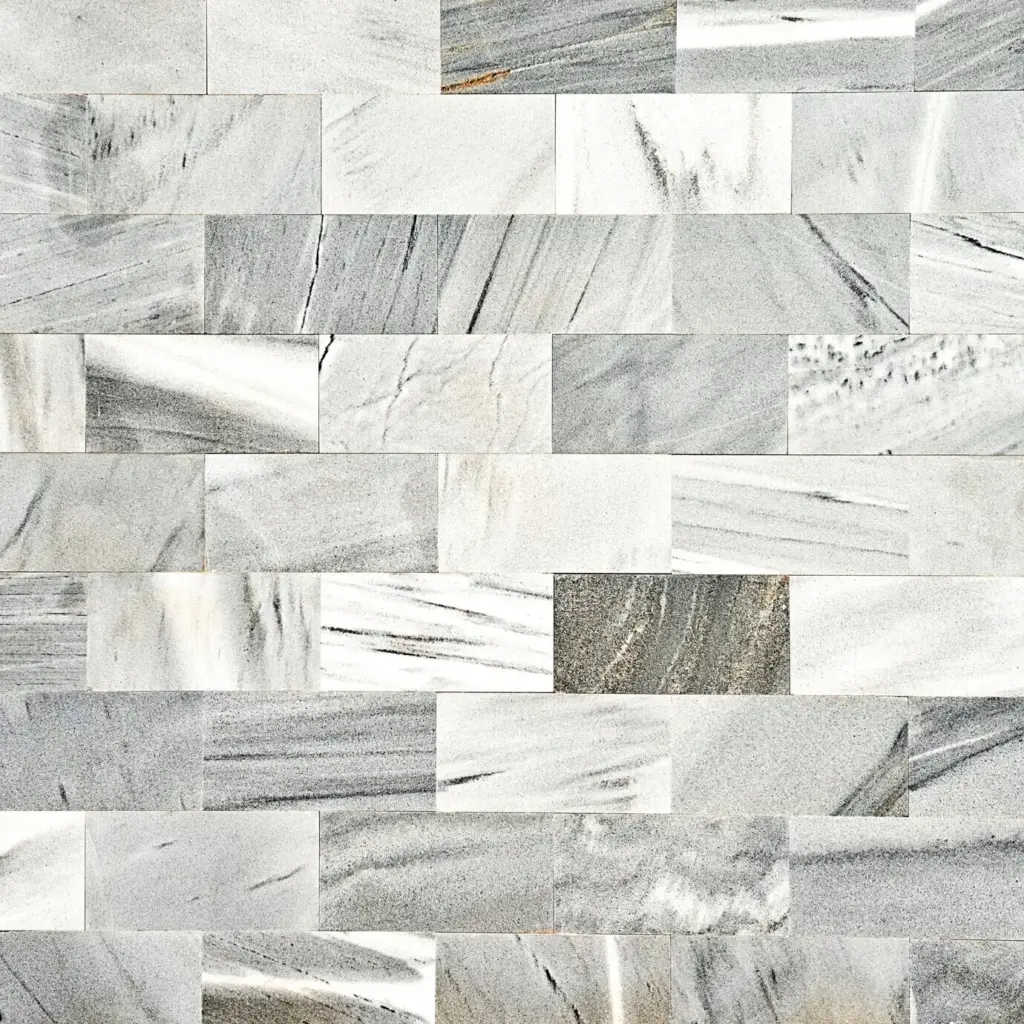
Stone, Plaster, and Tile With Soul
Designing for Generations

Timeless Proportion and Rhythm

Flexible Rooms, Not Fragile Trends

Future Services Access Without Demolition
Craftsmanship and Trade Partnerships
Vetting Artisans and Builders
Interview with curiosity: ask about failures, fixes, and what they would improve next time. Review older projects to see how edges wore and joints behaved through seasons. Request shop drawings, finish schedules, and maintenance notes. Confirm insurance, apprenticeships, and a culture of safety and cleanliness. References should include clients and other trades, revealing collaboration habits that keep delicate stages protected and ensure communication remains steady when surprises inevitably appear.
Mockups, Samples, and Small Experiments
Insist on real samples in actual light. Test oils, waxes, stains, and detergents on offcuts or back-of-closet panels. Build a short run of trim or a cabinet corner to confirm profiles, reveals, and shadowlines. Document approvals in photos with measurements and dates so future repairs match precisely. Tiny experiments save entire rooms from disappointment, prevent costly rework, and empower every trade to align around tangible expectations rather than hopeful descriptions alone.
Scheduling and Protecting Craft Time
Allow adhesives to cure, plaster to carbonate, and finishes to harden; the calendar is a crucial tool, not an obstacle. Use breathable protection, climate control, and quiet sequencing to avoid trapping moisture under tarps. Build buffers for shipping delays and seasonal humidity. When the schedule honors materials, edges stay crisp, doors hang true, and the project crosses the finish line with patience visible in every shadowline and hand-friendly surface.
Stewardship, Restoration, and Provenance
Envelope Upgrades With Breathability
Quiet Floors and Doors
Economics of Longevity
All Rights Reserved.